Look, I’m going to cut through the noise right away: if you’re still treating Generative Engine Optimization (GEO) like it’s just SEO 2.0, you’re already behind. This isn’t about sprinkling keywords or snagging backlinks anymore; it’s a fundamental shift from link-based discovery to answer-based AI interaction — and at the core of this shift is Reinforcement Learning from Human Feedback (RLHF).
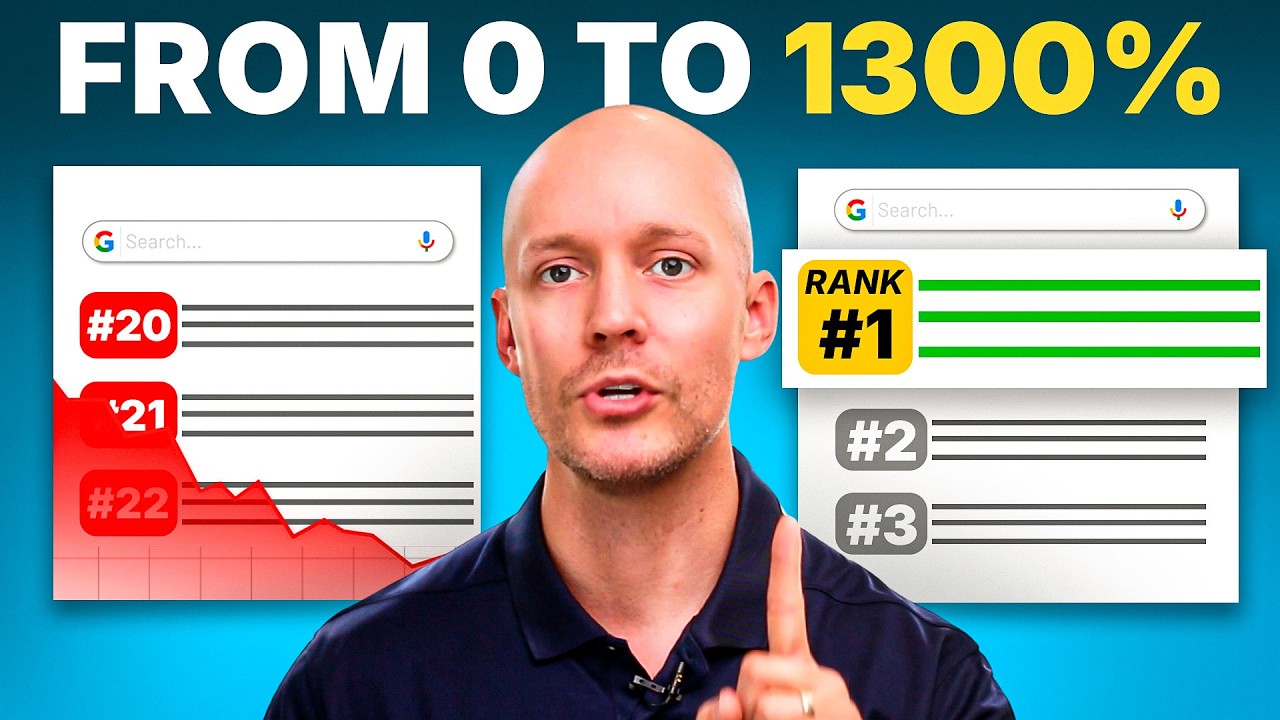
What Is RLHF, and Why Should You Care?
RLHF, or human feedback AI training, is how modern large language models like ChatGPT and Claude learn to provide answers that aren't just statistically probable but human-approved for quality, relevance, and clarity. It's the secret sauce behind why these tools just "get it" — rather than spitting out https://www.sitepoint.com/generative-engine-optimization/ keyword-stuffed nonsense from the early 2000s era of SEO.
Ever wonder why that happens? Unlike classic machine learning models that simply predict the next word based on raw data, RLHF integrates real human guidance at scale. Humans rank and compare AI outputs, teaching the models to prefer responses that actually help people. This changes everything for content marketers and brands struggling to be found and trusted.
From Link-Based Search to Answer-Based AI: The GEO Revolution
So, what does this actually mean for you? Traditional SEO is about showing search engines you’re authoritative on a topic—through backlinks, metadata, and keyword usage. GEO, on the other hand, is about optimizing content specifically for generative AI tools that serve concise, relevant answers rather than ten blue links.
Think about how Google has evolved — or rather, transformed — its search experience. The firm’s heavy investment in AI, including leveraging RLHF, signals a shift from ranking pages to generating answers. Microsoft, integrating similar AI tech into Bing, is accelerating this trend. Meanwhile, players like Fortress are innovating on building platforms optimized for AI-driven discovery.
Defining Generative Engine Optimization (GEO)
GEO isn’t just a buzzword or a shiny new tweak to apply to your existing strategy. It’s a whole new ballgame: optimizing for AI-generated answers over traditional search results.
- Focus: Instead of vaguely targeting ranking signals, GEO aims for the clear, concise, and contextually relevant information that RLHF-trained LLMs prioritize. Content format: Dialogues, step-by-step instructions, data tables, short summaries — these are the favored formats by models trained with human feedback. User intent interpretation: GEO optimizes for what the AI perceives the user wants, not just what keywords they typed.
The Critical Differences Between GEO and Traditional SEO
Aspect Traditional SEO Generative Engine Optimization (GEO) Primary Goal Rank high on Search Engine Results Pages (SERPs) via backlinks and keywords Provide direct, human-friendly answers for AI-generated results Content Strategy Keyword-stuffed, lengthy content targeting search algorithms Focused, clear content optimized for RLHF AI understanding User Interaction Gets users to click through various pages Delivers immediate, conversational responses via AI agents Ranking Signals Backlinks, page speed, metadata Human feedback integrated training signals guiding AI prioritiesSounds simple, right? But here's a trap most marketers fall into —
The Common Mistake: Over-Optimizing With Irrelevant Content
RLHF and GEO are not permission slips to churn out every possible version of your content, hoping to capture AI answers. The current trend of “over-optimization” is flooding AI ecosystems with irrelevant fluff, thinking quantity trumps quality. Spoiler: it doesn’t.
The LLMs behind ChatGPT, Claude, and others are designed to filter out noise through human feedback. They punish low-value, irrelevant content, favoring clarity and accuracy. When marketers ignore this, they risk being buried beneath genuinely helpful sources – even if their pages are technically well-optimized in the old-school sense.
How to Avoid This Pitfall
Focus on real user intent: What questions are people actually asking, and how can your content answer them succinctly? Use human feedback loops: Test your content in AI-powered tools, tweak, and refine based on how the models respond. Quality over quantity: A handful of laser-focused, well-structured pieces outperform dozens of keyword-stuffed pages.Optimizing for RLHF: A Practical Guide
If you're thinking, "Okay, I've heard the theory—how do I actually optimize for RLHF and GEO in practice?" Here’s the no-BS primer:
- Structure matters: AI loves clear headings, bullet points, and numbered lists. They mimic how humans rank responses during feedback training. Answer first, explain later: Deliver concise answers immediately, then support them with context. Stay factual and transparent: Human feedback-driven models reward trustworthiness and penalize fluff or misinformation. Iterate with AI tools: Use ChatGPT, Claude, or other AI writing assistants to simulate the AI's perspective on your content. If it stumbles or outputs vague answers, keep refining.
Why Acting on GEO and RLHF Now Provides a First-Mover Advantage
Fortress, Google, and Microsoft aren’t just improving AI for fun — they’re building the future of digital discovery. Early adopters who embed RLHF into their GEO strategies don’t just get fleeting visibility; they shape how algorithms trust their content long-term.
Being an early mover means you benefit from less crowded AI "answer spaces" and can influence feedback loops with high-quality input — something that won’t be easy once everyone jumps in. The difference here is similar to the early days of search engines: those who understood link-building first dominated. But with generative AI, the stakes are higher, and the learning curve is steeper.
To Recap:
- RLHF changes the game by teaching AI to value human-backed answers, not just keyword patterns. GEO is about optimizing for this AI-first output, focusing on clarity and direct answers. Ignoring human feedback signals leads to irrelevant content that AI actively deprioritizes. Marketers who master RLHF and GEO now are positioning themselves ahead of Google, Microsoft, Fortress, and others racing to define the next era of search.
So, the real question isn’t whether RLHF and GEO matter — it’s whether you’re going to ride this wave or get left behind watching your old SEO tactics become increasingly irrelevant.
